
Key Takeaways
New homeowners should prioritize repairs that protect structure, comfort, and long-term value before cosmetic upgrades. A first-year repair plan should inspect roofing, gutters, drainage, windows, doors, basements, flooring, kitchens, bathrooms, siding, decks, and fencing. Pro Edge Home Improvements helps Columbus homeowners organize and complete essential home improvement services properly first.
FAQ
What should be included in a new homeowner checklist?
A new homeowner checklist should include the systems and surfaces most likely to create costly problems if ignored. Homeowners should inspect the roof, gutters, downspouts, drainage, basement moisture, windows, doors, flooring, siding, fencing, decks, kitchens, bathrooms, and exterior wear before spending heavily on cosmetic upgrades.
Why are first year home repairs so important?
First year home repairs are important because new homeowners often inherit problems the previous owner delayed, patched, or failed to disclose clearly. Addressing repairs early helps prevent water damage, structural issues, comfort problems, safety concerns, and higher future costs.
What should new homeowners repair first?
New homeowners should repair anything that affects water control, safety, structure, comfort, or long-term property value. Roofing problems, gutter failures, drainage issues, basement moisture, damaged windows, weak doors, unsafe decks, worn flooring, and bathroom leaks should usually come before purely decorative projects.
Why should decorating wait until maintenance is handled?
Decorating can improve how a home looks, but maintenance protects how the home performs. Paint, furniture, and finishes will not solve a roof leak, damp basement, failing gutter system, poor drainage, damaged flooring, or weak exterior seal. Smart homeowners protect the house first, then improve appearance.
How can Pro Edge Home Improvements help new homeowners?
Pro Edge Home Improvements helps Columbus and Central Ohio homeowners evaluate, prioritize, repair, and improve key areas of the home. Their services include roofing, siding, gutters, underground drainage systems, windows, doors, patios, decks, retaining walls, fences, kitchens, bathrooms, basements, and flooring installations.
Why are gutters and drainage a major part of a home maintenance checklist?
Gutters and drainage are critical because water can damage roofing edges, siding, fascia, landscaping, foundations, and basements when it is not directed away from the home. New homeowners should inspect gutters, downspouts, drainage lines, French drains, and underground drainage systems early.
When should new homeowners consider window or door replacement?
New homeowners should consider window or door replacement when they notice drafts, sticking doors, damaged frames, poor seals, condensation, difficult operation, air leaks, security concerns, or uneven indoor temperatures. Professionally installed windows and doors can improve comfort, performance, appearance, and home value.
Why should basements be inspected during the first year?
Basements can reveal moisture issues, drainage problems, foundation concerns, ventilation problems, flooring damage, and signs of past leaks. Before finishing a basement, homeowners should make sure the space is dry, stable, and ready for remodeling.
Are kitchens and bathrooms urgent first-year projects?
Kitchens and bathrooms may be urgent if there are leaks, failing fixtures, damaged flooring, poor ventilation, loose toilets, moisture issues, or failing tile. Cosmetic updates can wait, but problems involving water, safety, or function should be addressed quickly.
Why choose Pro Edge Home Improvements for first-year home repairs?
Pro Edge Home Improvements brings construction, development, and property management experience to interior and exterior home improvement services. The company is positioned for homeowners who need clear communication, professional guidance, licensed and insured service, warranty support, and practical solutions that help protect the home before small issues become expensive problems.
—————————-
The new homeowner checklist usually starts with paint colors, furniture, Wi-Fi setup, and maybe which drawer gets the measuring tape you’ll never find again. I get it. You just bought the place. You want it to feel like yours. But here’s the thing: your house doesn’t care about your accent wall if the gutters are dumping water near the foundation, the roof has tired shingles, the basement smells like wet cardboard, and the back door seals about as well as a cereal box.
That’s the rude little welcome gift of homeownership. You get the keys, everyone congratulates you, and then the house quietly hands you a clipboard full of things the previous owner “meant to get to.”
So let’s talk about the first year. Not the fantasy version. The real one.
I’m talking about a new homeowner checklist that helps you separate the fun projects from the ones that can punch your budget in the mouth if you ignore them. I’m talking about first year home repairs, the kind that aren’t always glamorous but absolutely matter. Roofing, gutters, drainage, windows, doors, flooring, basement conditions, fencing, kitchens, bathrooms, siding, trim, and exterior wear. That’s the stuff that decides whether your first year feels manageable or like you accidentally bought a second job with drywall.
And if you’re in Columbus or Central Ohio, Pro Edge Home Improvements fits directly into this conversation because their home improvement services cover the things new homeowners actually need to evaluate before they start spending money on the pretty stuff. The company handles roofing, siding, windows, doors, gutters, underground drainage systems, patios, decks, retaining walls, fences, kitchen remodeling, bathroom remodeling, basement remodeling, flooring installations, and broader interior and exterior improvements. That matters because a new homeowner doesn’t need a contractor who only sees one piece of the house. You need someone who understands how the pieces connect.
Why A New Homeowner Checklist Needs To Start With Problems, Not Pinterest
Look, I like a beautiful kitchen as much as anyone. I’m not pretending countertops don’t matter. They do. But the first year in a home isn’t where you start by asking, “What would look impressive?” It’s where you ask, “What’s going to become expensive if I pretend I didn’t see it?”
That’s less fun.
It’s also smarter.
According to a January 26 Joint Center for Housing Studies of Harvard University article, “Even with some deceleration later in the year, overall annual homeowner spending on improvements is expected to reach $518 billion by the end of 2026.” That’s not pocket change. That’s homeowners all over the country realizing houses don’t maintain themselves out of gratitude.
A house is like a used car with a basement. You may love it, but you’d better know what’s under the hood, what’s leaking, what’s worn down, and what sounds weird when it rains.
Actually, let me rephrase that. A house is worse than a used car, because at least a car usually has one place where water is supposed to go. A house has dozens of ways for water, air, heat, cold, and time to start causing trouble if nobody’s paying attention.
That’s why I’d build the first-year repair plan around three categories: what protects the structure, what protects daily function, and what improves the way you live. In that order. Always.
Start With The Roof Because Gravity Isn’t Negotiable
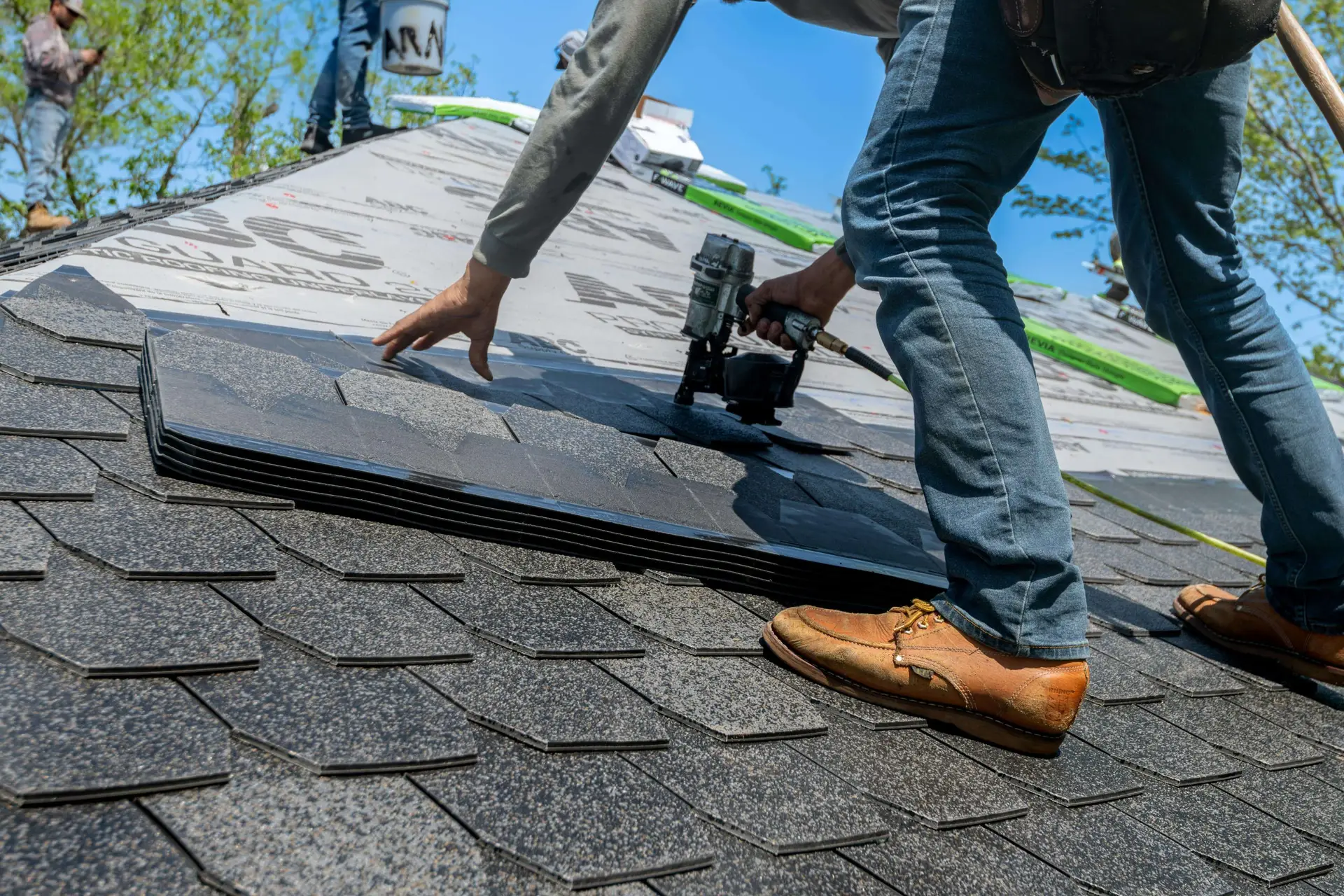
I’d start with the roof because nothing inside the home wins if the roof fails. You can remodel a bathroom, install new flooring, and hang the world’s most tasteful light fixture, but if water gets through the roof, congratulations, you’ve decorated a problem.
New homeowners should look for missing shingles, lifted shingles, soft spots, staining on ceilings, damaged flashing, clogged roof valleys, old penetrations, and anything around vents or pipes that looks cracked, loose, or neglected. Do you need to climb up there yourself? No. Please don’t turn your first-year home maintenance checklist into an urgent care visit. Get it inspected by someone who knows what they’re looking at.
Pro Edge Home Improvements offers roofing solutions including asphalt shingles, metal roofs, and roof repairs. That’s important because not every roof problem requires a full replacement, and not every repair should be treated like a harmless patch. A good contractor can help you understand whether you’re dealing with normal aging, storm wear, installation issues, or the early stages of a bigger problem.
And yes, roof work can be expensive. But waiting until a leak appears inside the home is not a savings strategy. It’s just paying late fees to nature.
Gutters And Drainage Are Not Optional, No Matter How Boring They Sound
Gutters are boring until they fail. Then they become fascinating in the worst possible way.
If you’re a new homeowner, I’d put gutters, downspouts, and drainage near the top of your new homeowner checklist because water is relentless. It doesn’t need permission. It doesn’t need a big opening. It just needs a path and time. Clogged gutters can push water into fascia, siding, roofing edges, landscaping, foundation areas, and basements. Bad downspout discharge can create pooling near the house. Poor underground drainage can turn a yard into a damp little betrayal.
According to a February 13 Washington Post article, “Your home’s exterior is its first line of defense against nature’s elements.” The same article also says, “Windows and doors should also be checked in fall and spring to make sure they are properly sealed; replace any damaged caulking or weather-stripping, and keep an eye out for loose siding, chipping paint or holes.”
That’s not glamorous advice. It’s useful advice. And useful beats glamorous when you’re standing in a basement wondering why the carpet smells like a lake house nobody asked for.
Pro Edge handles gutters, downspouts, drainage lines, French drains, underground drainage systems, downspout extensions, and broader property drainage solutions. That kind of service matters for a new homeowner because water problems are rarely isolated. A gutter issue can become a foundation issue. A drainage issue can become a basement issue. A grading issue can become a patio or yard issue. It’s all connected, because houses don’t care about service categories.
Check Windows And Doors Before You Blame The Utility Company
New homeowners love blaming utility bills. I’ve done it. I’ve opened a bill and looked at it like the power company personally insulted my family.
But sometimes the house is the problem.
Old windows, worn doors, weak seals, loose trim, and bad caulking can make a home less comfortable and more expensive to heat and cool. You’ll feel it as drafts, hot rooms, cold rooms, condensation, doors that stick, patio doors that don’t close cleanly, or windows that technically open but require the emotional commitment of a deadlift.
Are windows and doors always the first thing to replace? No. Sometimes they need adjustment, sealing, trim repair, or weatherstripping. But sometimes they’re done. And when they’re done, pretending they’re fine won’t make the home more comfortable.
Pro Edge provides energy-efficient windows and doors, entry doors, sliding and patio doors, and trim and framing detail. That last part matters more than people think. The window or door itself is only part of the job. The installation and surrounding detail decide whether the upgrade actually performs or just looks nice long enough for someone to take a photo.
So if you’re building a home maintenance checklist for the first year, don’t skip windows and doors. They affect comfort, appearance, security, and energy use. That’s a lot of responsibility for something most people only notice when it sticks.
The Basement Tells The Truth Whether You Like It Or Not
I’ve had that moment where I walked into a basement and immediately knew something wasn’t right. Not dramatic. Not horror-movie stuff. Just that damp, stale, “this room has opinions” smell. I remember standing there thinking, okay, this isn’t a decor issue. This is a house issue. And that’s the kind of moment new homeowners need to respect instead of explaining away.
Because basements don’t lie politely.
A basement can reveal drainage problems, foundation moisture, poor ventilation, old flooring issues, past leaks, weak storage decisions, and unfinished space that could become useful if handled correctly. If the basement is dry, stable, and structurally sound, then maybe it becomes a home office, guest suite, fitness room, entertainment area, custom bar, or storage solution. If it’s not dry and stable, then finishing it too soon is like putting a tuxedo on a raccoon. It might look interesting for a second, but you still have a problem running around underneath.
Pro Edge offers basement remodeling for entertainment spaces, home offices, guest suites, fitness rooms, custom bars, and built-in storage solutions. But the smart homeowner starts with condition before vision. Is there moisture? Are there cracks? Does water show up after storms? Does the flooring make sense? Is the space properly prepared for what you want it to become?
Honestly, this is where a lot of first-year homeowners get themselves in trouble. They want the finished basement before they understand the basement. I understand the temptation. But the house doesn’t care about your timeline.
Flooring Isn’t Just Pretty. It’s Evidence.
Flooring tells stories. Sometimes it tells you a home was updated well. Sometimes it tells you someone covered up a problem and hoped nobody would ask too many questions.
New homeowners should look for soft spots, uneven transitions, gaps, water stains, warped boards, cracked tile, loose carpet, damaged baseboards, and areas where flooring changes abruptly for no obvious reason. Does that mean every flaw is a disaster? No. But flooring can point toward moisture, settling, poor installation, pet damage, old leaks, or simple wear.
Pro Edge installs hardwood, luxury vinyl plank, engineered hardwood, tile, carpet, custom patterns, and baseboard trim. That gives homeowners options depending on lifestyle, budget, durability needs, and the room involved. A family room may need something tough. A bathroom needs materials that make sense around moisture. A kitchen needs flooring that can handle daily punishment without acting precious.
And yes, I know flooring is one of the more exciting upgrades because it changes the look of the home fast. But don’t just replace flooring because it’s ugly. First ask why it looks the way it looks. If water damaged the old floor, find the water. If the floor is uneven, understand why. If the baseboards are swollen, don’t pretend that’s charm.
Kitchens And Bathrooms Can Wait Unless They Can’t
Here’s the thing: kitchens and bathrooms are the rooms everyone wants to fix first because they’re visible, personal, and usually full of outdated decisions from a previous decade. I get it. A bad kitchen can make every morning feel slightly more annoying. A bad bathroom can make a new home feel like a motel you accidentally bought.
But not every kitchen or bathroom problem has the same urgency.
Ugly cabinets? Annoying, but maybe not urgent. A leaking sink base? Urgent. Bad bathroom ventilation? Important. Failing tile around a shower? Don’t ignore it. Loose toilet? Fix it. Worn flooring near water? Investigate. Outdated vanity? That can probably wait unless it’s hiding damage.
According to a June 13 Better Homes & Gardens article, “The most expensive home repairs aren’t the ones you plan for. They’re the ones you don’t.” That sentence should be printed on every new homeowner’s refrigerator, preferably next to the magnet from the moving company you already regret hiring.
Pro Edge handles kitchen remodeling with custom cabinetry, layout redesign, quartz and natural stone countertops, fixtures, lighting, tile backsplashes, flooring upgrades, and open-concept transformations. They also handle bathroom remodeling with custom tile showers and walls, freestanding tubs, vanities, heated flooring options, and quality fixtures and finishes. That means when the time is right, homeowners can move beyond surface changes and improve function, comfort, durability, and value.
But I’d still say this: repair before remodel. If something is leaking, failing, rotting, shifting, or causing damage, handle that first. Then make it beautiful.
Siding, Trim, Fencing, And Exterior Wear Deserve A Hard Look
The exterior of a home is easy to judge from the street and surprisingly easy to ignore up close. That’s a dangerous combination. New homeowners often focus on the inside because that’s where they live, but the outside is doing the dirty work every day.
Siding protects the home from weather. Trim and fascia help seal and finish vulnerable edges. Fencing gives privacy, security, and control over outdoor space. Decks, patios, and retaining walls shape how the property functions. If these areas are worn, damaged, loose, leaning, cracked, or poorly built, they need to be evaluated during the first year.
Pro Edge offers vinyl, fiber cement, composite, wood, metal roofing, stone or brick, trim and fascia upgrades, asphalt shingles, roof repairs, fences, custom gates, patios, decks, and retaining walls. That’s a broad set of exterior home improvement services, and for new homeowners, that breadth is helpful because exterior problems don’t always arrive one at a time like polite guests. They show up together. A loose gutter exposes fascia damage. A deck repair reveals drainage concerns. A fence project exposes grading issues. A siding repair turns into a trim conversation. Fun? Not really. Normal? Unfortunately, yes.
But this is also where the first year can become productive instead of chaotic. You don’t have to do everything at once. You do need to know what you’re dealing with.
The First-Year Priority Test I’d Use
If I were making a new homeowner checklist from scratch, I’d use a simple test. Is the issue letting water in, moving water the wrong way, affecting safety, damaging the structure, wasting energy, or making daily life harder than it needs to be? If yes, it moves up the list.
That means roofing, gutters, drainage, exterior sealing, basement moisture, unsafe decks, failing doors, damaged windows, plumbing-adjacent bathroom issues, and worn flooring near moisture deserve attention before purely cosmetic upgrades. It doesn’t mean you can’t paint. Paint away. Just don’t let a fresh wall color distract you from the fact that the downspout is dumping water three feet from the foundation like it’s trying to start something.
According to the Better Homes & Gardens article, “The mistake most people make is treating repairs as emergencies rather than anticipated costs.” That’s the whole first-year homeowner lesson right there. Your home maintenance checklist should be proactive, not panicked. “The longer you wait, the more expensive the repair usually becomes.” I don’t know how to make that gentler without making it less true.
Why Pro Edge Makes Sense For New Homeowners In Columbus And Central Ohio
New homeowners don’t always know who to call first. That’s part of the problem. One contractor handles roofing. Another handles floors. Another handles drainage. Another handles decks. Another handles bathrooms. Suddenly, the homeowner is managing a tiny construction circus while also trying to remember where the previous owner hid the shutoff valve.
Pro Edge Home Improvements is useful because their services cover a lot of the first-year repair plan. Exterior and interior improvements. Roofing and siding. Windows and doors. Gutters and underground drainage systems. Patios, decks, and retaining walls. Fences. Kitchens, bathrooms, basements, and flooring.
That doesn’t mean every homeowner needs every service. It means Pro Edge can help evaluate and address multiple areas of the home without forcing the homeowner to guess which problem belongs to which vendor. That kind of practical range matters.
The company is also backed by more than 23 years of experience in construction, development, and property management through founders Ziad “Zee” Shaheen and Joshua Smerczynski. I like that detail because property management experience tends to remove the fantasy from home improvement. When you’ve managed and maintained real properties, you know what fails, what gets ignored, what costs more later, and what homeowners should never shrug off.
Pro Edge also emphasizes being licensed, insured, and certified, with warranty coverage based on project scope, manufacturer material warranties transferred to the homeowner, quick response during the warranty period, and clear communication about coverage. That’s the kind of grown-up information new homeowners should care about. Not because it sounds exciting, but because excitement won’t help you if a project has issues and nobody wants to answer the phone.
The Bottom Line For First-Year Home Repairs
Your first year in a new home should not be one long emergency. It also shouldn’t be a denial marathon where you keep saying “we’ll get to that later” until the house forces the issue.
A good new homeowner checklist gives you control. It helps you inspect the roof before leaks show up. It gets gutters and drainage handled before water starts exploring. It checks windows and doors before comfort and energy costs get worse. It looks at basement conditions before you finish a space that isn’t ready. It evaluates flooring before you cover up evidence. It treats kitchens and bathrooms with common sense. It respects exterior wear before the home’s protective shell starts failing.
And it helps you decide what’s urgent, what’s important, and what’s simply cosmetic.
That’s where Pro Edge Home Improvements can help Columbus and Central Ohio homeowners. They’re not just selling a single project. They’re offering home improvement services that make sense for people who just bought a home and need to stop guessing. If you want help with first year home repairs, exterior and interior upgrades, or a practical home maintenance checklist that doesn’t start with fantasy and end with regret, Pro Edge is the call.
You bought the house. Now make sure it’s actually ready to be lived in. To start the conversation, contact Pro Edge Home Improvements at 380-260-4778 or visit https://proedgehomeimprovements.com/.